How to Choose the Right RFID Tags for Asset Tracking Projects
As businesses grow and operations become more complex, knowing where your assets are — and how they are being used — is no longer optional. From manufacturing plants and logistics centers to hospitals and data centers, RFID (Radio Frequency Identification) technology plays a critical role in modern asset tracking systems.
However, the effectiveness of an RFID system depends largely on one key decision: choosing the right RFID tag. Different assets, environments, and use cases require different RFID solutions. Selecting the wrong tag can lead to poor read performance, data inaccuracies, and unnecessary operational costs.
This guide will help you understand how to choose RFID tags that match your application needs, while also introducing reliable RFID solutions from CXJ RFID Factory, a professional manufacturer of RFID tags and smart identification products.
Why RFID Tag Selection Is So Important
An RFID tag serves as the digital identity of a physical asset. It connects real-world objects to software systems, enabling real-time tracking, automated data collection, and improved decision-making.
If an RFID tag is not designed for the asset surface or operating environment, common issues such as signal interference, short read range, or physical damage may occur. Over time, this leads to unreliable data and reduced return on investment.
Choosing the correct RFID tag from the beginning ensures system stability, long service life, and consistent performance — especially in industrial or high-volume environments.
1. Understand the Asset Surface Material
The material of the asset surface has a direct impact on RFID signal behavior. Standard RFID labels work well on non-metallic surfaces such as plastic, cardboard, and wood.
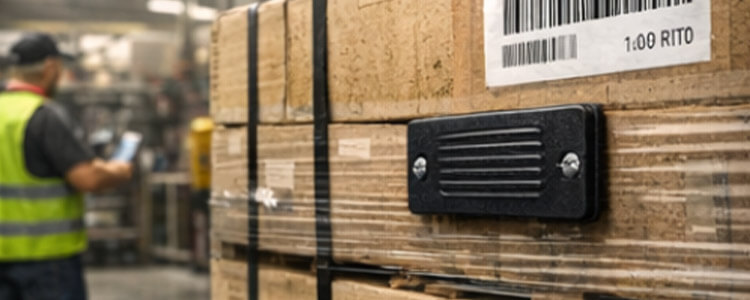
However, when RFID tags are applied to metal surfaces — including machinery, tools, IT equipment, or racks — signal reflection and absorption can cause serious reading problems. In these cases, specially designed anti-metal RFID tags are required.
Anti-metal tags use insulating layers and optimized antenna designs to maintain stable performance on metal assets. For applications involving metal surfaces, products such as customized anti-metal RFID epoxy tags are widely used in manufacturing, maintenance, and IT asset tracking.
2. Match RFID Tag Size to Asset Size
RFID tags come in a wide range of shapes and sizes, and choosing the right size is essential for both performance and usability.
Small assets such as hand tools, electronic devices, or jewelry require compact RFID tags that do not interfere with daily use. Despite their small size, these tags can still deliver reliable short- to medium-range reading.
Larger assets — including cartons, pallets, and garments — benefit from RFID tags with larger antennas that support longer read distances. In retail and warehouse environments, UHF RFID tags for clothing and inventory management are commonly used to enable fast bulk scanning and accurate stock control.

3. Consider the Operating Environment
The environment in which an RFID tag is used determines its durability requirements. Factors such as moisture, dust, temperature, vibration, and chemical exposure must be carefully evaluated.
For example, in hospitals, hotels, and industrial laundry facilities, RFID tags must withstand repeated washing, high temperatures, and detergents. In such cases, waterproof NFC laundry RFID tags provide reliable performance throughout the entire textile lifecycle.
In outdoor or industrial environments, encapsulated or resin-coated RFID tags are often preferred for their resistance to impact, dust, and harsh conditions.

4. Define the Required Read Range
Read range is one of the most important performance indicators of an RFID system. The required distance depends on how assets are identified and tracked.
For warehouse management, logistics, and large-scale inventory control, UHF RFID technology enables long-range reading — often several meters — allowing multiple items to be scanned simultaneously.
For access control, personnel identification, or close-range authentication, HF or LF RFID solutions are more appropriate. Products such as LF/HF RFID key tags and key fobs are widely used in offices, residential buildings, and secure facilities.
5. Choose the Right Mounting Method
How an RFID tag is mounted affects both performance and durability. Common mounting methods include adhesive backing, screw mounting, cable ties, and embedded installation.
Adhesive-backed RFID labels are ideal for smooth surfaces and quick deployment, while screw-mounted tags provide secure attachment for heavy or vibrating assets. Cable tie RFID tags offer flexibility for pipes, cables, and irregular objects.
For long-term or tamper-resistant applications, embedded RFID tags should be planned during the asset manufacturing or assembly stage.
6. Evaluate Memory Capacity Needs
RFID tags vary in memory capacity. Some applications only require a unique identification number, while others need to store maintenance history, inspection records, or lifecycle data.
When selecting memory size, it is important to consider future system expansion. Choosing a tag with sufficient memory ensures scalability without requiring costly system upgrades later.
Common RFID Asset Tracking Applications
RFID technology is used across many industries, including:
- IT asset tracking for servers, laptops, and network equipment
- Tool tracking in construction and maintenance environments
- Garment and textile tracking in retail and laundry services
- Logistics and pallet tracking in warehouses and distribution centers
- Animal identification using durable RFID animal ear tags

Build a Smarter RFID Asset Tracking System
Choosing the right RFID tag is a strategic decision that directly affects tracking accuracy, system reliability, and operational efficiency. By understanding asset materials, environments, read range requirements, and mounting methods, businesses can deploy RFID systems that deliver long-term value.
With a wide range of customizable RFID solutions, CXJ RFID Factory supports businesses worldwide in building smarter, more reliable asset tracking systems.